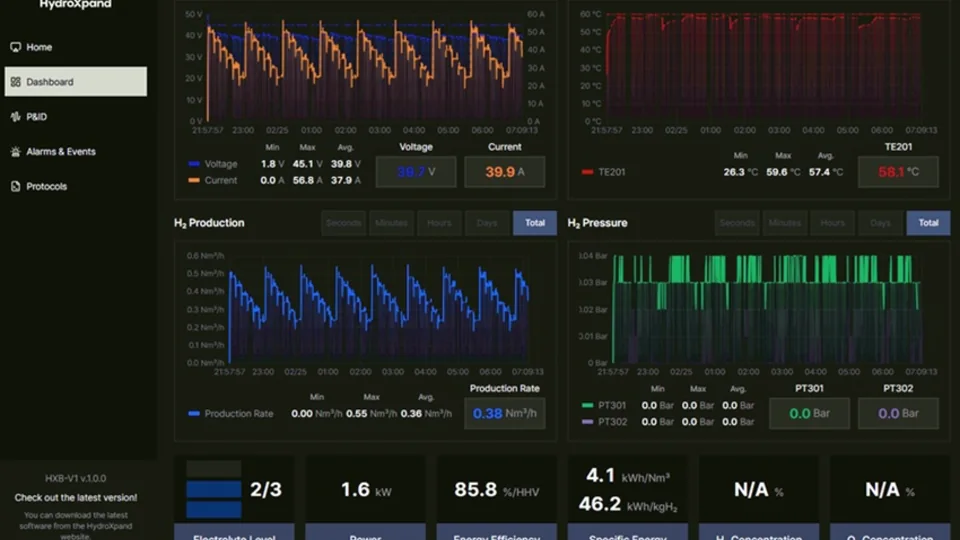
Performance↑
Less power and electrode area for the same hydrogen output
Relying on cylinder deliveries? Explore on-site production with a 2 kW AEM electrolyzer for research and pilot projects.
How the technology lowers hydrogen cost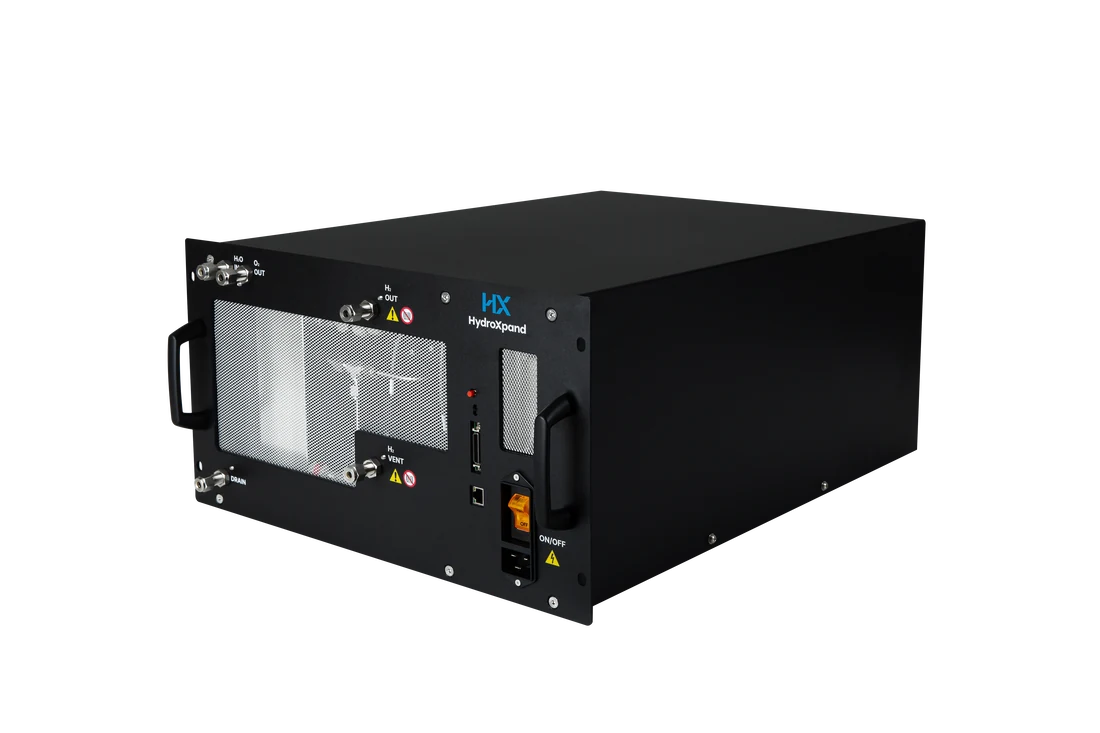
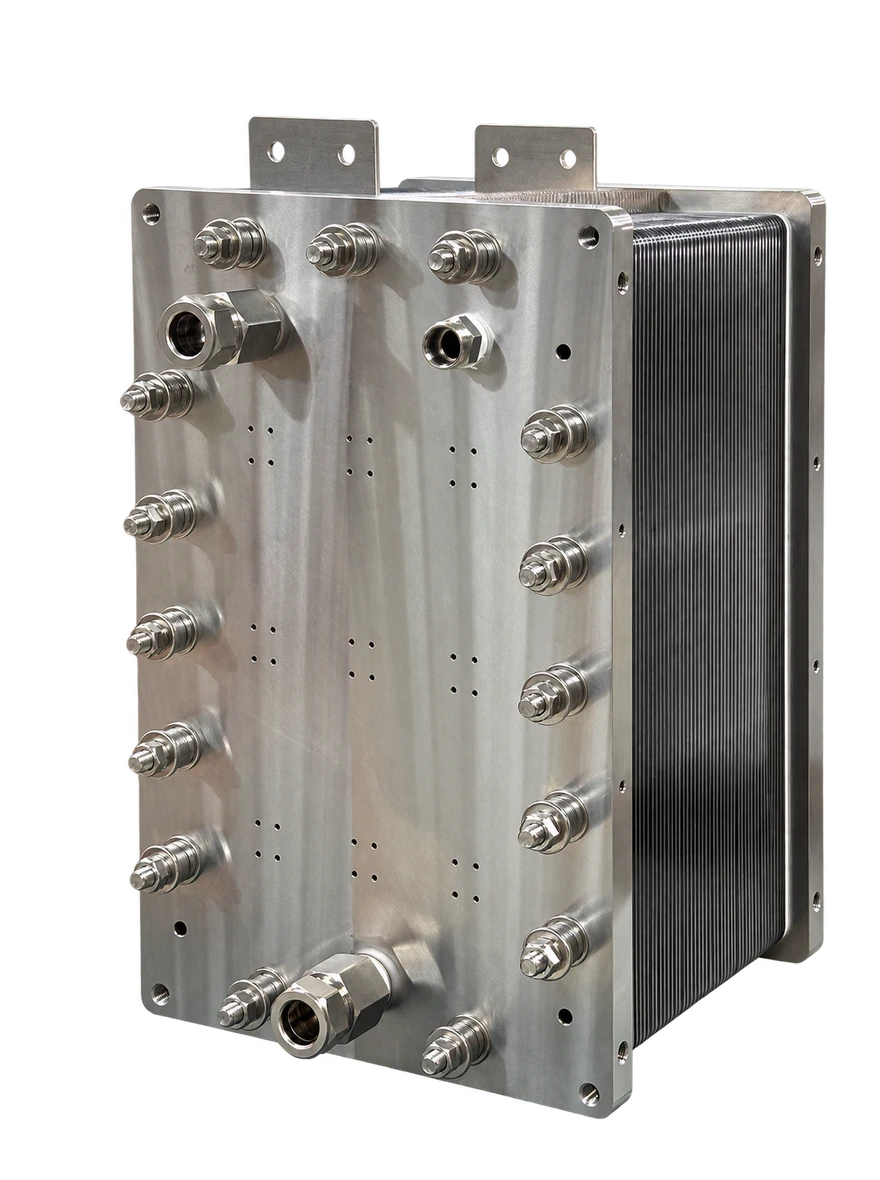
A 46-cell AEM electrolysis stack.
What comes in the unit, and what the site has to provide.
Choose from an integrated system, a stack for your own BoP, or cells and electrodes for research.
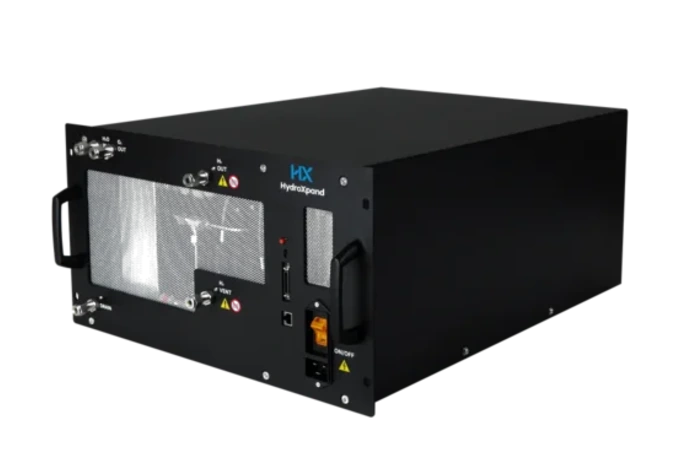
Power, circulation, separation, pressure control and safety are integrated in one rack.
500 L/h · 1 kg/dayView HXB-V1 →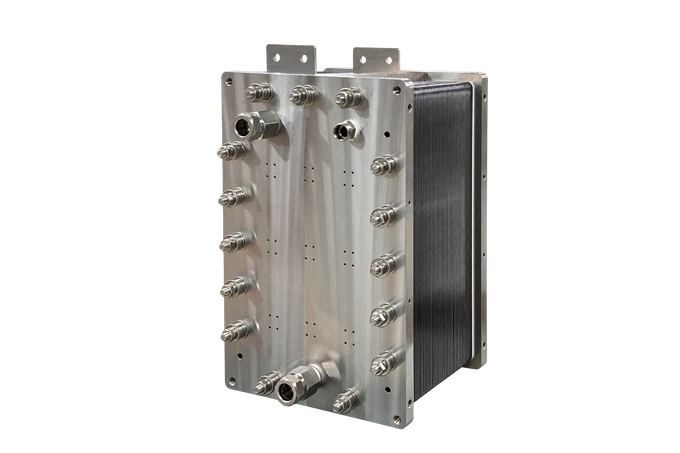
A 46-cell full stack, supplied with measured i-V curves and cell-to-cell voltage data.
6,900 NL/h (design)View HXS-30 →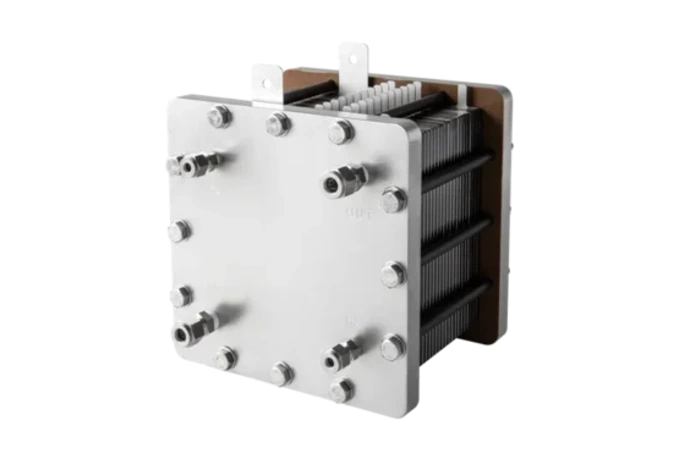
A 2 kW AEM stack designed for integration into your own BoP.
500 L/h · 1 kg/dayView HXS-2 →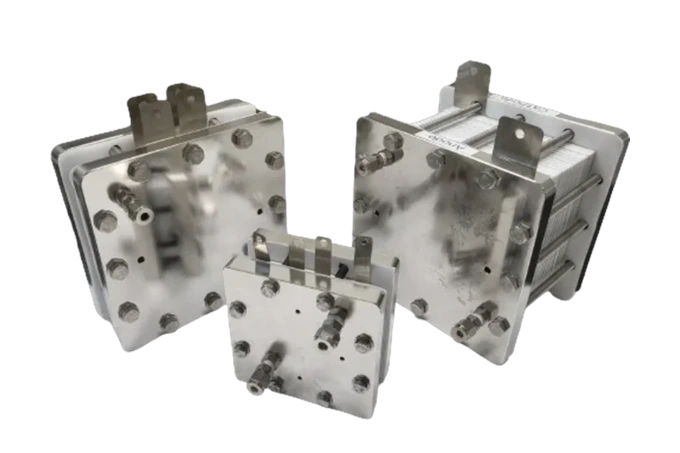

Extend electrode and MEA evaluation from a single cell to a short stack.
1–25 cm² · 1–20 cellsView research products →See why customers chose HydroXpand at three different levels: complete systems, stacks and electrodes.
Explore all applications →


Our public network spans companies, universities, research institutes and channel partners.
View all customers and partners →










































Our own measurement records and articles written about HydroXpand.
View all insights →The electrodes and cell architecture stay the same. Active area and cell count grow at each step.
Configurable electrolysis cell for catalyst, electrode and membrane evaluation.
A 2 kW-class stack for customers integrating their own power, circulation, separation and control.
An integrated system delivering 500 NL/h at 10 barg in a single unit.
The 46-cell full stack is available now.
Modular scale-up architecture.
Lower costs require better performance and durability, lower stack cost, and manufacturing that can scale.
Less power and electrode area for the same hydrogen output
Slower efficiency loss and fewer replacements
Lower core CAPEX for hydrogen production
More capacity with consistent quality
Send your target output and pressure, BoP integration scope, or the material and MEA conditions you want to evaluate. We will reply with the product and supply scope that fit.