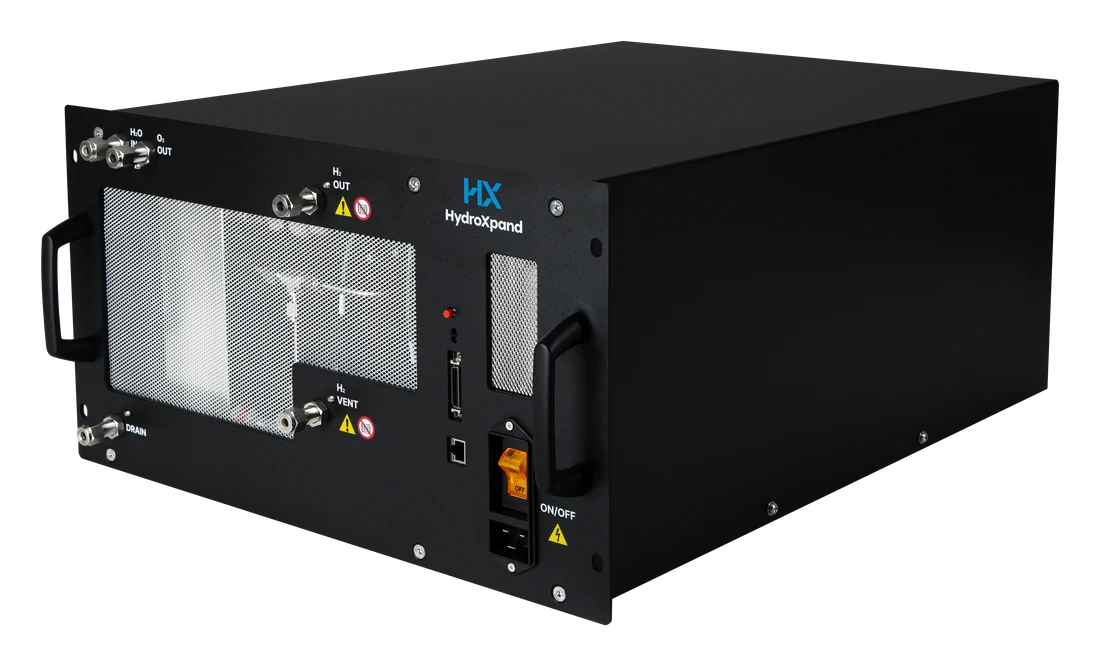
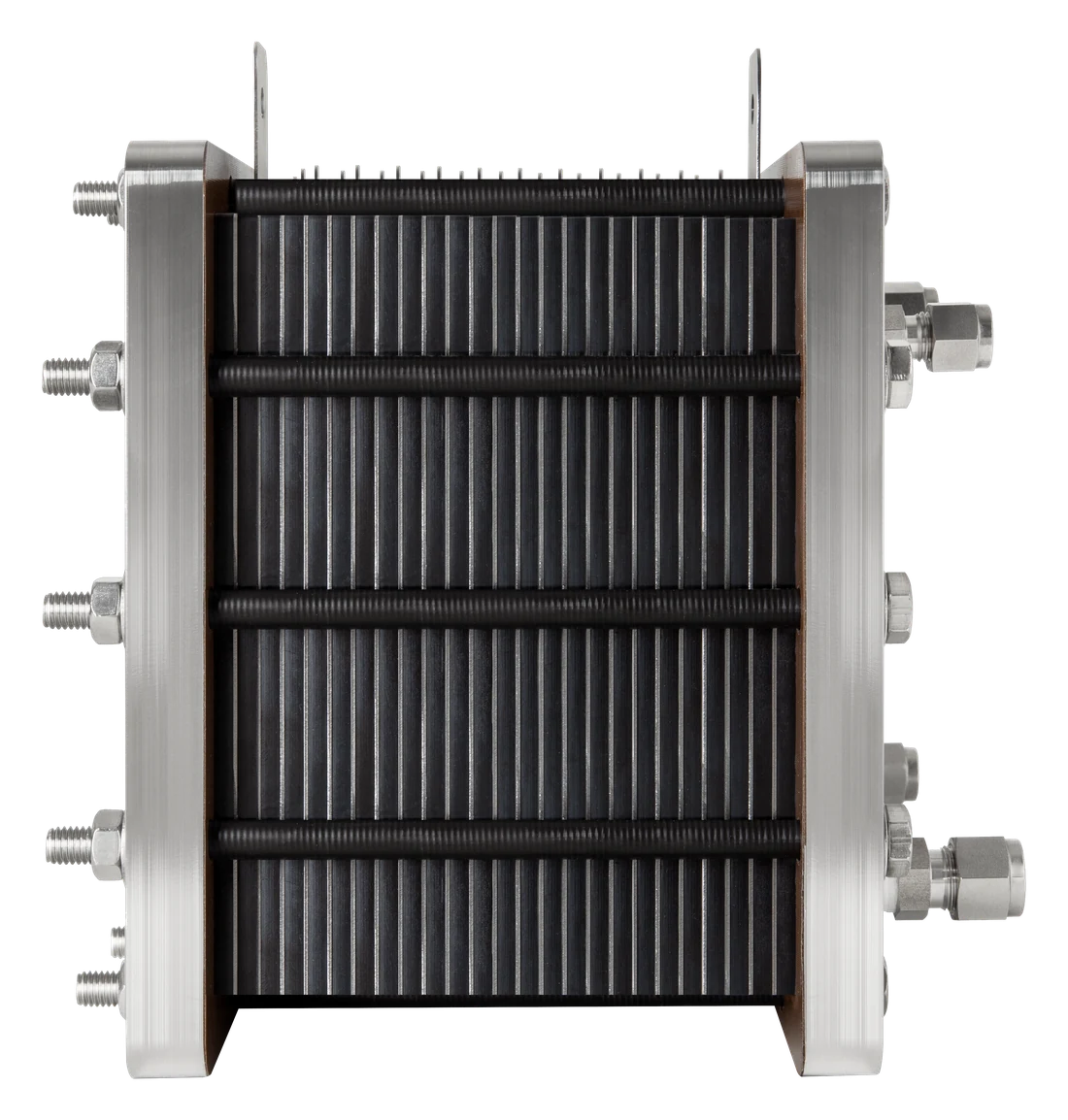
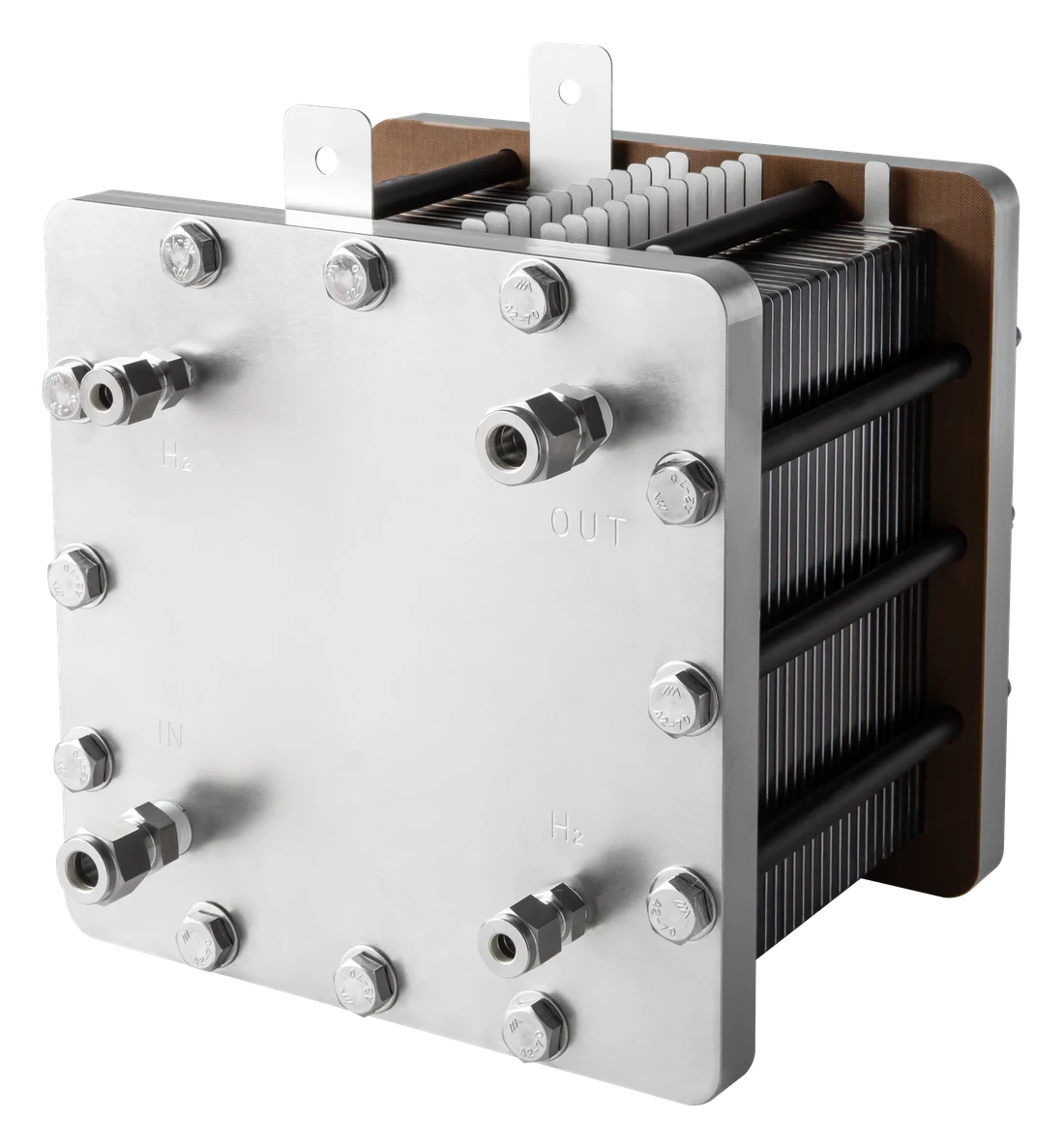
Research electrolyzer hardware for laboratories: compare electrode and MEA performance at cell level while varying operating conditions. Start with a single electrode sheet, a single cell or a short stack.
Typical users
Universities and R&D labs
Public customer cases
8 cases
Recommended starting points
HXP-anHXP-caHXS-0
Good fit
This setup is a good fit when
You are starting or advancing AEMWE research and need electrodes or cell hardware
You fabricate your own MEAs or screen catalysts, membranes and operating conditions
You need large-area electrodes of 200 × 300 mm or more beyond small laboratory samples
You are moving from single-cell evaluation to short-stack testing
Named cases
Named customer cases
Every customer below has agreed to be named. We describe the use only as far as our order and enquiry records confirm it.
Case 01
ICFO, The Institute of Photonic Sciences
Barcelona, Spain · Research institute · 2026
HXS-2 stack and HXB-V1 system
A stack you can load your own catalyst and membrane into
Customer need
A platform for testing their own catalysts and membranes
What we supplied
HXS-2 stack with MEA included
HXB-V1 2 kW system
2 more items
What this enables
A stack that can be opened and reassembled with their own catalysts and membranes.
See the timeline and full supply scope
From enquiry to delivery
They were looking for an AEM electrolyzer in the 100 to 500 cm² range for a pilot test setup. The purpose was not finished hydrogen production but evaluating catalysts and membranes they develop themselves.
It started as a website enquiry in April 2026. The first email asked two things: can we introduce our own catalyst for testing, and can the membrane be replaced with an alternative one.
HXS-2 is compression-assembled, so it can be opened and put back together. We confirmed that they can build electrodes with their own catalyst and reassemble the stack with a membrane of their choice.
Once the quotation was settled with the MEA included, they asked us to add the 2 kW system to the same quotation.
We shipped the stack and the system across three deliveries in the same year, and prepared the beneficial-ownership paperwork their research funding process required.
Full supply scope
HXS-2 stack with MEA included
HXB-V1 2 kW system
Disassembly and reassembly guidance with recommended operating conditions
Documentation required by their research funding process (beneficial ownership, shareholder registry)
A cell development engineer chose it as the platform for their own materials
Customer need
A cell-development platform for their own materials
What we supplied
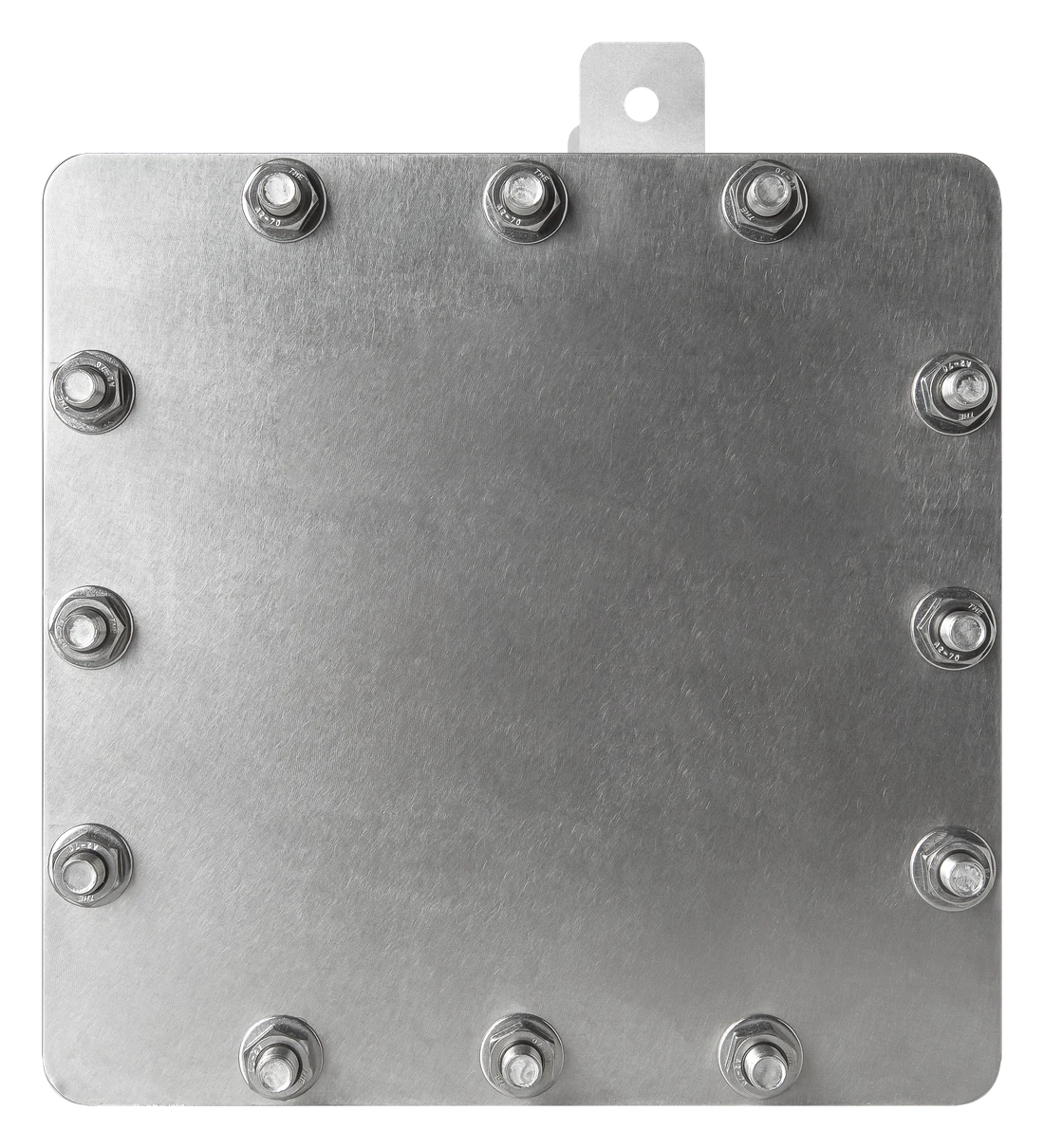
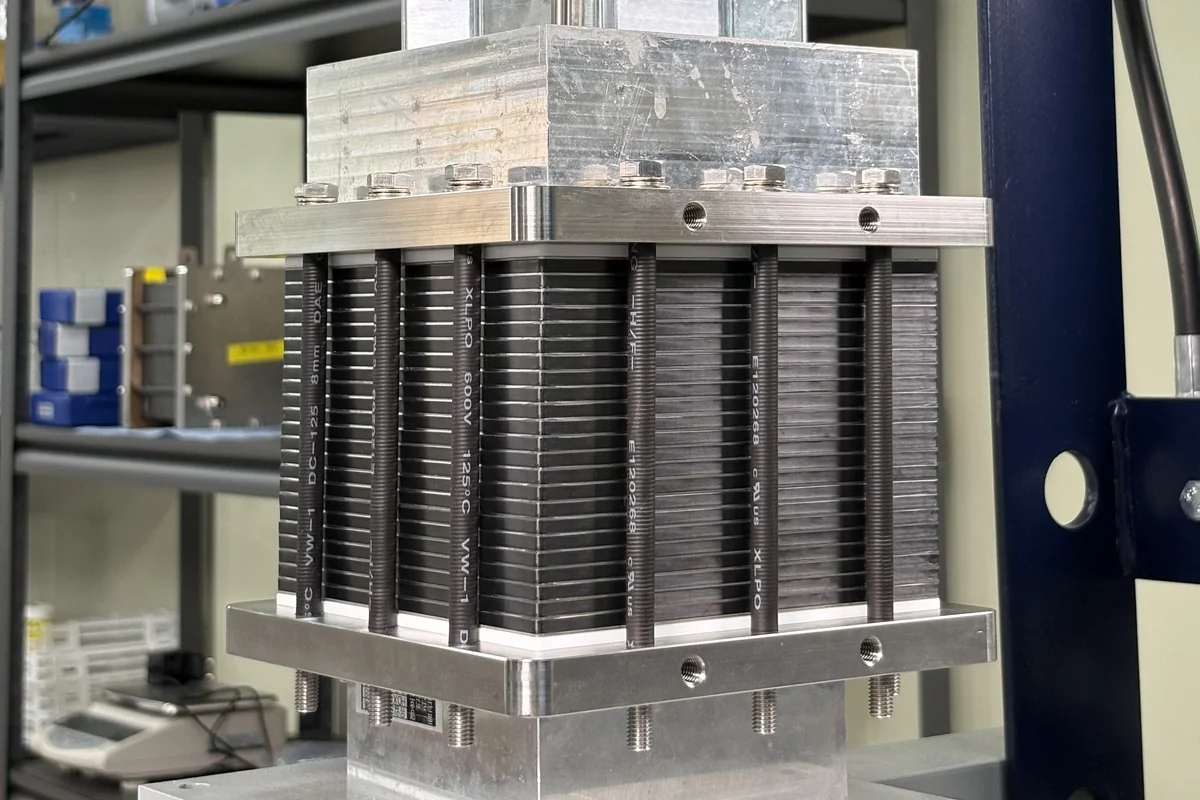
HXS-2 compression-assembled stack (23 cells, can be opened, disassembled and reassembled)
Component dimensions and the stacking position on the membrane
2 more items
What this enables
Component dimensions and assembly guidance for preparing their own materials to fit the stack.
See the timeline and full supply scope
From enquiry to delivery
It was brought in as the stack into which their in-house cell development work would be assembled. That is why what they checked before ordering was not performance figures but the dimensions of each component.
The request for quotation arrived in July 2025 through our HXS-2 listing on Hyfindr, the German B2B marketplace. One unit, shipping to Germany.
During technical review, their cell development engineer asked for the length, width and thickness of the membrane, anode, cathode and GDL, and how the anode and cathode sit relative to each other on the membrane. The questions were about preparing their own materials to fit this stack.
We returned the dimensions together with the user guide, and separately prepared and sent the stack I-V data.
The purchase order was issued in October 2025 and the stack shipped in December.
Full supply scope
HXS-2 compression-assembled stack (23 cells, can be opened, disassembled and reassembled)
Component dimensions and the stacking position on the membrane
HXS-2 user guide
Stack I-V data
Case 03
Toray Advanced Materials Korea
Republic of Korea · Materials company · 2025 · 2026
HXP-an anode and HXP-ca cathode
The fixed electrode for evaluating their own membrane
Customer need
Consistent electrodes for comparing membranes
What we supplied
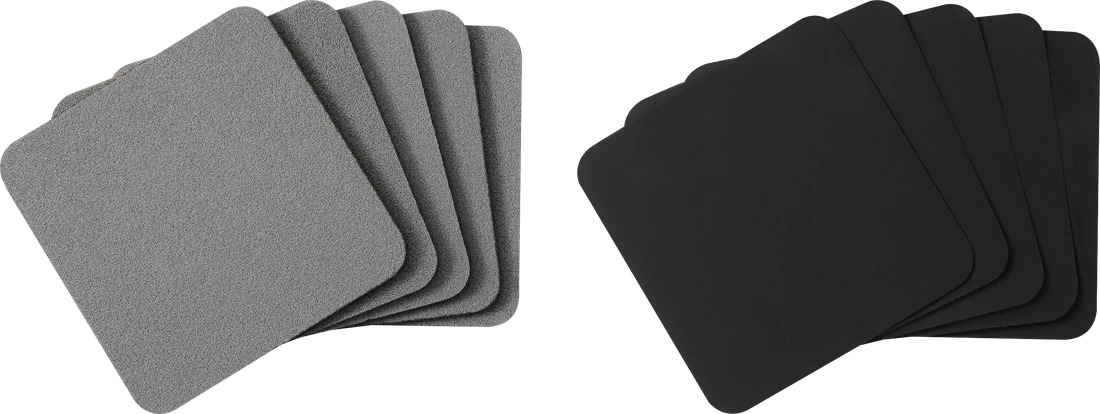
HXP-an anode (NiFe-LDH grown on a nickel foam substrate)
HXP-ca cathode (Pt/C or PtRu/C coated, 260 ± 20 µm)
2 more items
What this enables
Repeat supply of electrodes made to the same process and specification for membrane comparisons.
See the timeline and full supply scope
From enquiry to delivery
The electrodes were brought in to sit alongside the separator membranes they develop. If the membrane is the variable being compared, the electrode has to be the constant.
We supplied the anode and cathode as a set in September 2025.
When the membrane is what you are evaluating, the electrode must not become a variable. So what mattered was not peak performance but whether we could keep supplying electrodes made by the same process to the same specification.
A follow-on purchase came in 2026.
Full supply scope
HXP-an anode (NiFe-LDH grown on a nickel foam substrate)
HXP-ca cathode (Pt/C or PtRu/C coated, 260 ± 20 µm)
Standard 200 × 300 mm format
Recommended operating and measurement conditions
Case 04
KAUST
Saudi Arabia · University and research institute · 2024 · 2025 · 2026
2 kW stack module, system BoP and electrodes
A hydrogen project that expanded from the stack into system configuration, cells and electrodes
Customer need
Stack hardware and follow-on evaluation equipment for a hydrogen project
What we supplied
2 kW AEM electrolysis stack module
Custom BoP configuration and quotation for 2 kW and 5 kW systems
4 more items
What this enables
Stack supply followed by electrode and cell evaluation equipment, with custom BoP review.
See the timeline and full supply scope
From enquiry to delivery
KAUST brought in a 2 kW AEM electrolysis stack module for a hydrogen project. This was equipment going into the project rather than a small research purchase, which is why the discussion moved from the stack alone toward the system.
We quoted a 2 kW AEM electrolysis stack module for the hydrogen project in July 2024, and shipped it against a formal purchase order that October.
In February 2025 they asked us to quote custom BoP for 2 kW and 5 kW systems: structural frame, electrolyte tank and level sensor, BLDC circulation pump, heating and cooling, thermocouples, hydrogen pressure sensors and relief. This is where the conversation moved from the stack alone to the system.
As the project progressed they also needed a cell-level evaluation setup, so in 2025 they bought electrodes and an electrochemical cell kit.
In 2026 they added ten sheets each of the Pt/C and PtRu/C cathodes, and we sourced the metal alloy plates that went with them so it could ship as a single order.
Everything went through their procurement system as formal purchase orders, and we worked through the order resend and supplier registration steps with them.
Full supply scope
2 kW AEM electrolysis stack module
Custom BoP configuration and quotation for 2 kW and 5 kW systems
HXP-ca cathodes in Pt/C and PtRu/C (200 × 300 mm, 260 ± 20 µm)
One electrochemical cell kit
Sourcing of the metal alloy plates the customer specified
Support for their procurement system (purchase orders, invoices, customs paperwork)
Case 05
HD Hyundai Heavy Industries
Republic of Korea · Shipbuilding and engine manufacturer · 2025 · 2026
HXS-2 stack
A 2 kW stack that went into an in-house test plan
Customer need
A 2 kW stack for their in-house test programme
What we supplied
HXS-2 2 kW stack
Rated operating conditions and the recommended operating range
2 more items
What this enables
Rated and recommended operating conditions to review against their in-house test conditions.
See the timeline and full supply scope
From enquiry to delivery
The 2 kW stack was brought in for a test plan drawn up by their own research organisation. Delivery was not the end of it: aligning their existing test conditions with our rated conditions is the work that followed.
We supplied the 2 kW stack in December 2025.
In January 2026, while drawing up their test plan, they asked for detailed operating conditions: whether the datasheet figures are the rated point, whether there is a separate recommended operating range, and whether testing under the conditions they had been using would be acceptable.
We replied with electrolyte concentration, temperature, flow and load conditions, along with the points to watch.
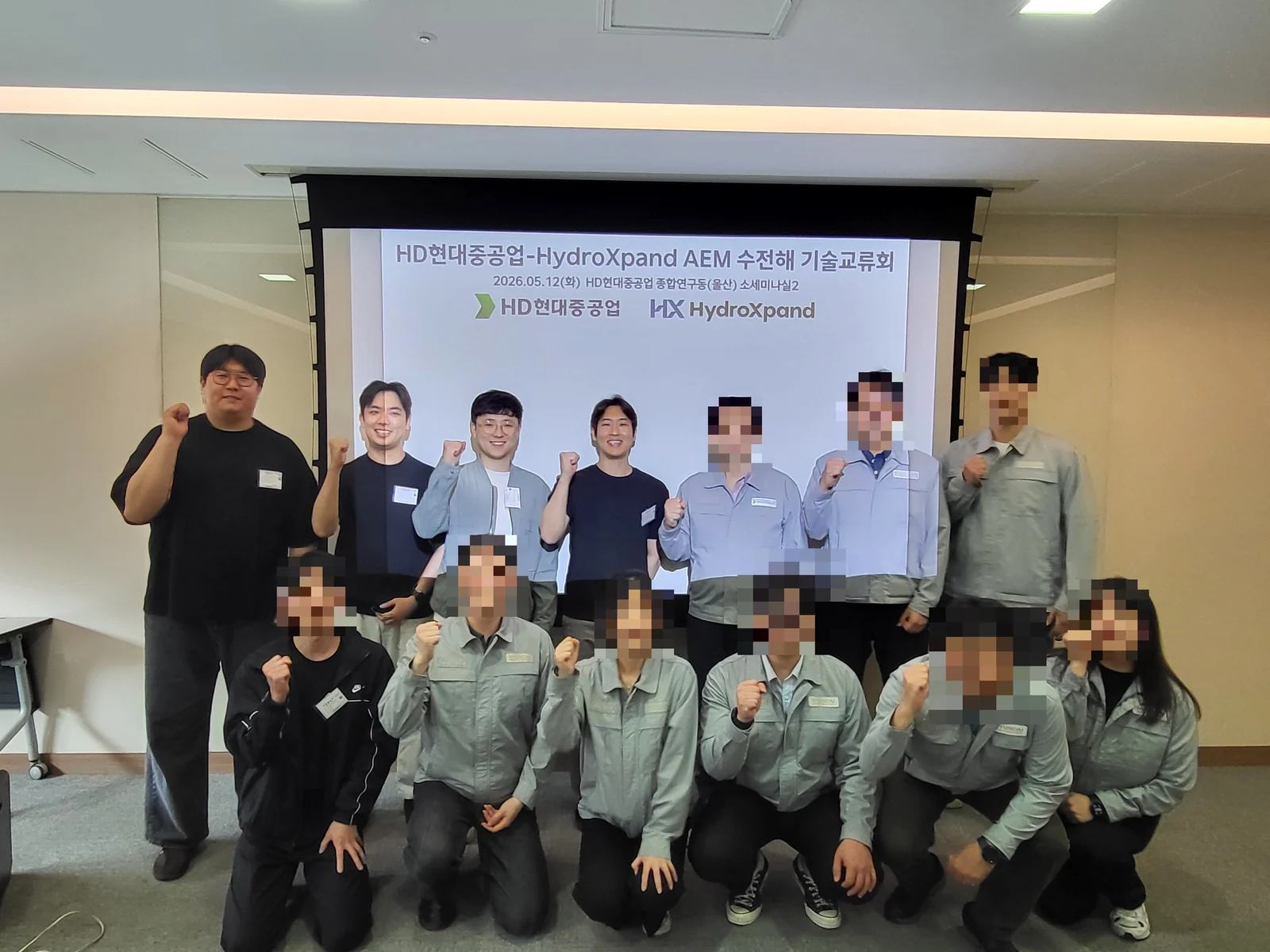
In May 2026 the two companies held a joint AEM electrolysis technical exchange at their Ulsan research centre.
The exchange of stack data has continued for more than six months. This is the part of the work that comes after the sale.
Full supply scope
HXS-2 2 kW stack
Rated operating conditions and the recommended operating range
Review against the test conditions they were already using
Continued sharing of stack test data
Case 06
LG Japan Lab
Japan · Corporate research lab · 2024 · 2025
HXP-an anode and HXP-ca cathode
Improving the electrode without interrupting the evaluation
Customer need
Electrodes of a consistent specification for repeated evaluation
What we supplied
HXP-an anode and HXP-ca cathode
Re-supply to the same specification on repeat orders
2 more items
What this enables
Repeat supply to the same specification, with technical data to review before choosing an improved version.
See the timeline and full supply scope
From enquiry to delivery
They use AEM water electrolysis electrodes repeatedly for evaluation work. The longer an evaluation runs, the less peak performance matters and the more it matters whether the same electrode can be obtained again when needed.
We have supplied anodes and cathodes repeatedly for more than a year since the first shipment, each time to the same specification made by the same process.
Where an evaluation runs long, a supplier improving its product becomes a problem in itself. If the electrode that served as the reference disappears, the data gathered so far can no longer be compared against anything.
So when the improved anode was ready we did not lead with a performance claim. We sent the datasheet and the durability test data first and left the decision to switch with the customer. They ordered the next batch with the improved anode.
Full supply scope
HXP-an anode and HXP-ca cathode
Re-supply to the same specification on repeat orders
Datasheet and durability test data for the improved anode
NiFe-LDH grown on nickel foam; Pt/C or PtRu/C coating (260 ± 20 µm)
Case 07
Korea Electronics Technology Institute (KETI)
Republic of Korea · Research institute · 2026
HXS-2 stack and stack components
A stack built to the cell count they needed
Customer need
A stack built to the required cell count, with additional parts later
What we supplied
HXS-2 stack, built to the customer's chosen cell count
Additional stack parts
What this enables
A stack configured to the cell count they need, with stack parts supplied later as needed.
See the timeline and full supply scope
From enquiry to delivery
They use a stack configured to the cell count their research needs, and order additional stack parts as and when they need them.
The discussion started at 23 cells and ended at 11. They cut the cell count to match the output they needed, and we also looked at a configuration that doubles the capacity later.
After that we supplied additional stack parts. It is more work than selling one finished stack, but it is the right shape for a customer who keeps running the stack.
Full supply scope
HXS-2 stack, built to the customer's chosen cell count
Additional stack parts
Case 08
Techwin
Republic of Korea · Water electrolysis system company · 2025
HXS-2 stack and MEA replacement
Replacing only the MEAs put the same stack back into service
Customer need
A full 2 kW stack to evaluate AEM technology
What we supplied
HXS-2 2 kW, 23-cell stack
Factory test data: i-V curve, constant-current operation and gas purity
2 more items
What this enables
MEA replacement that puts the same stack hardware back into service.
See the timeline and full supply scope
From enquiry to delivery
A water electrolysis system company brought in a full 23-cell, 2 kW stack to evaluate AEM technology. After delivery we exchanged operating data and operating practice, and later replaced only the MEAs so the same stack hardware could go back into service.
In August 2025 we supplied one HXS-2 2 kW, 23-cell stack. Before shipping, we ran it in 0.3 M KOH at 60 °C and checked the i-V curve and constant-current operation at 50 A.
We shared the factory test data with the customer: a stack voltage of 40.7 V at 50 A, 0.21% hydrogen in oxygen and 0.01% oxygen in hydrogen, with neutral water draining from the cathode. We also told them that long-term operation needs a temperature below 60 °C and a low flow rate.
In September 2025 we answered, step by step, the stack operating procedure the customer had drafted: electrolyte circulation and heat-up, applying current, shutdown and storage, written the way we actually run our own stacks.
In November 2025 we replaced the MEAs. Rather than building a new stack, an MEA replacement puts the same stack back into service.
We ran the rebuilt stack again before returning it. After activation it reached 40.5 V at 50 A, close to the 40.7 V of the original factory test (the electrolyte flow conditions differed). We shared this data and the gas purity record, and sent the stack back in December 2025.
Keeping the same stack in service through an MEA replacement, instead of buying a new one, is what HXS-2 was designed for.
Full supply scope
HXS-2 2 kW, 23-cell stack
Factory test data: i-V curve, constant-current operation and gas purity
Step-by-step answers to the customer's operating procedure
MEA replacement and operating data after the rebuild
Customer-side output, efficiency, lifetime and publication results are not included because we do not yet have consent to publish them.
You provide the power supply and the electrolyte circulation, temperature control and data logging. For wide voltage and current ranges, plan on a separate programmable power supply.
Evaluation protocol
Fixing current density, electrolyte concentration, temperature and test duration up front lets you carry the same conditions from single cell to short stack. Recommended conditions and fastening torque are on the product pages.
Start small
There is no minimum order quantity, so a standard format can be ordered from a single sheet. Custom substrates take approx. 4 weeks to 2 months, so we recommend evaluating the standard format with the same coating first.
Talk to us about this use case
Tell us the use case and target output, and we will review the right product configuration and quotation scope.